 silicone@silic0ne.com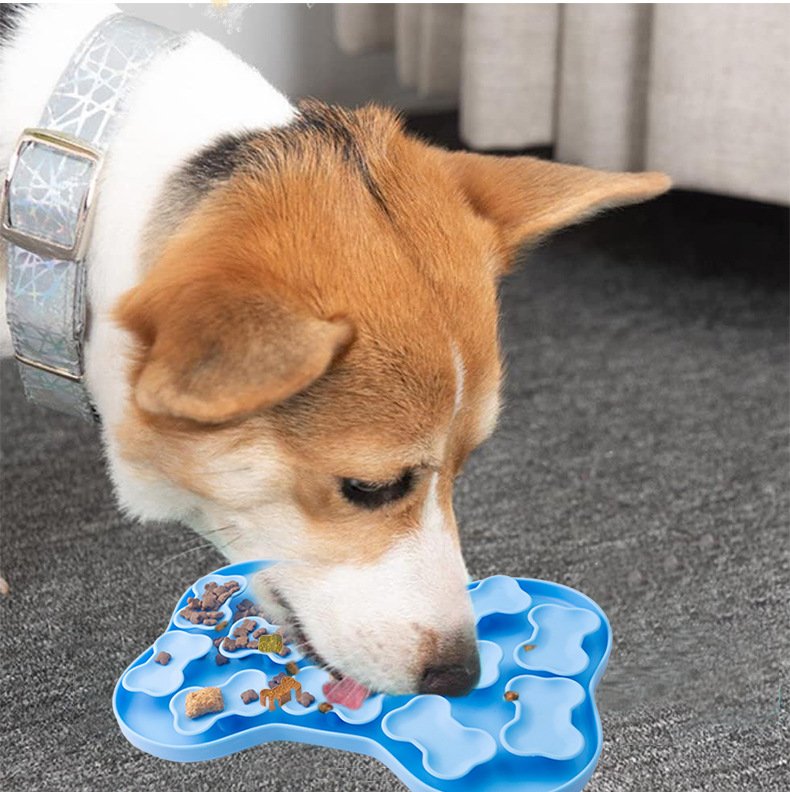
Picture this scene familiar to millions of pet owners: You fill your dog’s bowl with high-quality kibble, perhaps topped with a spoonful of wet food or a splash of broth. You place it on the floor with love and anticipation. Your furry friend approaches with wagging tail—and then, in less than thirty seconds, the bowl is empty. Food is scattered across the floor. Your dog looks up at you with hopeful eyes, having inhaled their meal so fast they barely tasted it. Worse, within an hour, they’re bloated, uncomfortable, or worse—vomiting in the yard.
This scenario plays out in countless homes every single day. And it’s not just messy—it’s potentially dangerous.
Rapid eating is one of the most common yet overlooked health risks for dogs and cats. It can lead to choking, gagging, regurgitation, bloating, and in severe cases, gastric dilatation-volvulus (GDV)—a life-threatening condition that requires emergency veterinary intervention . But what if a simple change to your pet’s feeding routine could prevent all of this?
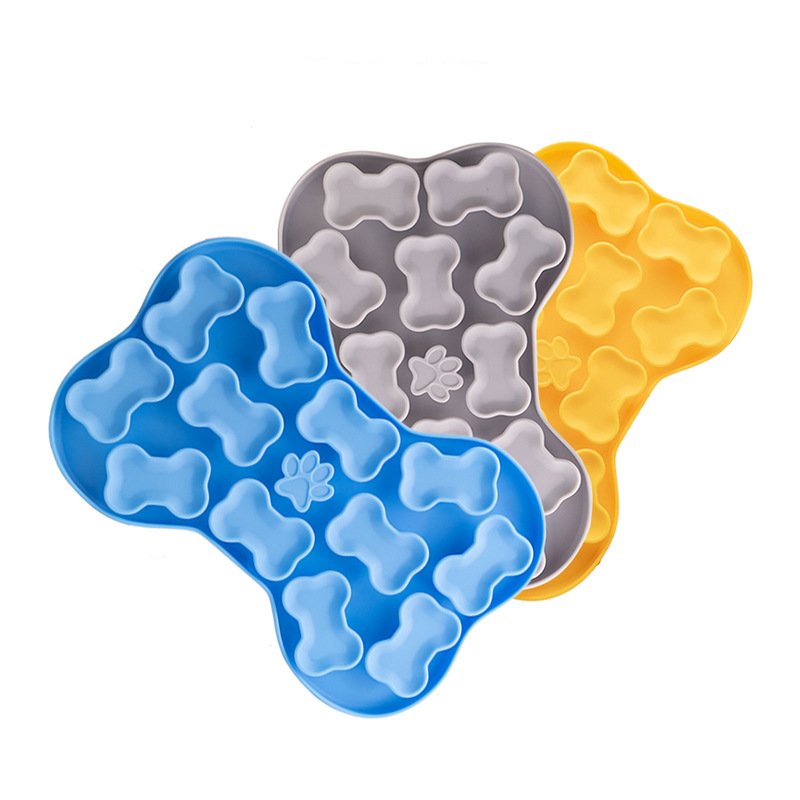
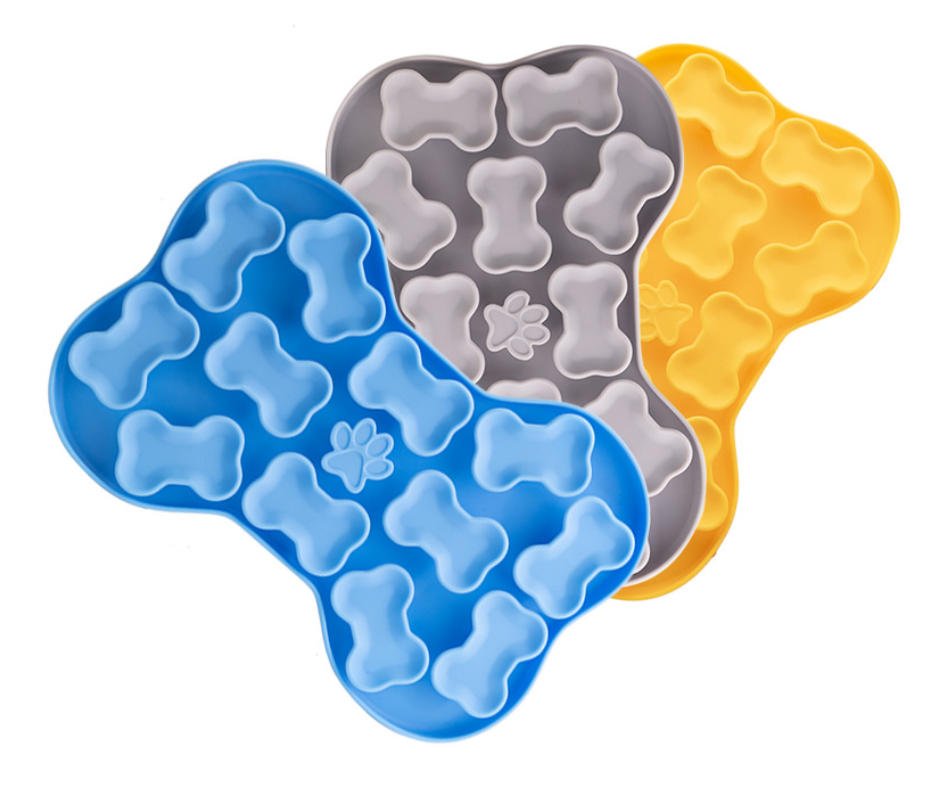
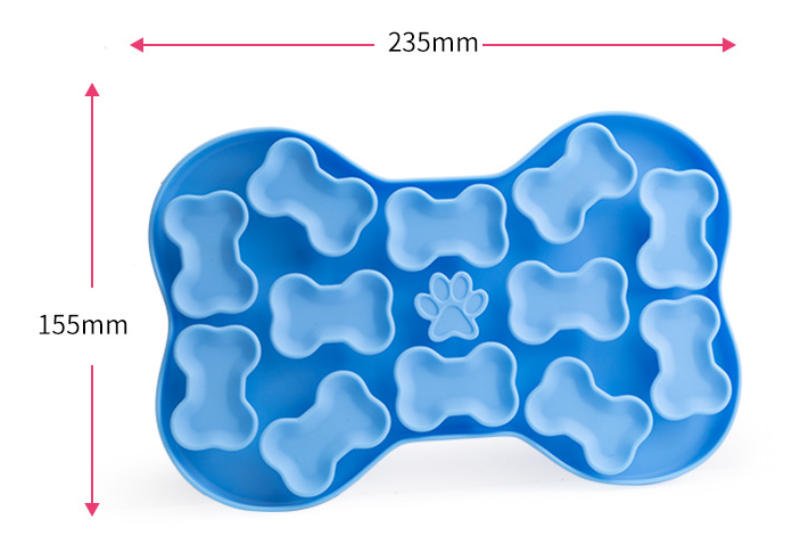
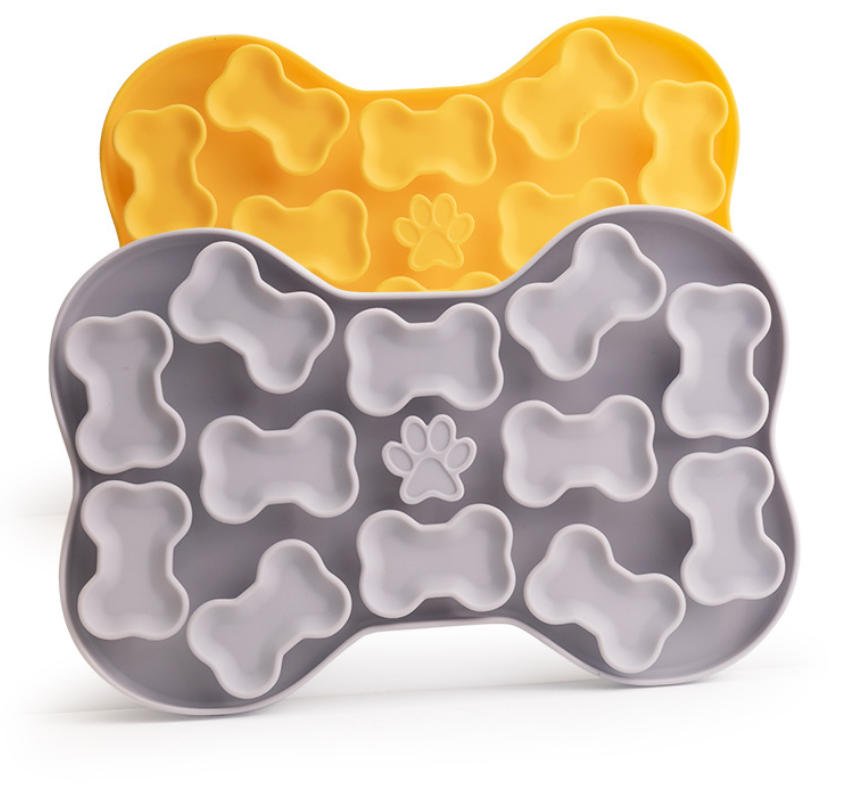
Enter the Bone-Shaped Silicone Pet Slow Feeder from silic0ne—a thoughtfully designed feeding solution that transforms mealtime from a frantic race into a healthy, engaging activity. Available in three attractive colors—Yellow, Grey, and Blue—and crafted from premium food-grade silicone, this innovative mat measures 23.5cm by 15.5cm by 2cm and weighs a substantial 157 grams. It’s engineered to slow down eating, prevent choking, and stick firmly to any smooth surface thanks to its integrated suction base.
Welcome to the future of pet feeding.
The Health Crisis Nobody Talks About: Why Speed Matters
Let’s start with the numbers. According to the Association for Pet Obesity Prevention, nearly 60% of cats and 56% of dogs in the United States are overweight or obese . These extra pounds aren’t just cosmetic—they’re a direct path to diabetes, joint problems, heart disease, and shortened lifespan .
But weight isn’t the only concern. The speed at which pets eat has profound implications for their digestive health. When dogs or cats gulp down food rapidly, they swallow massive amounts of air along with their kibble. This aerophagia leads to bloating, discomfort, and gas . In deep-chested dog breeds particularly, this can precipitate gastric dilatation-volvulus—a twisted stomach that cuts off blood flow and requires immediate surgery .
Veterinarians have long recognized the importance of controlled eating. Dr. Elizabeth O’Connor of Avoca Drive Animal Hospital explains that “ad libitum feeding—leaving food out all day—is a common culprit for obesity. Switching to measured, scheduled meals allows you to monitor exactly how much energy your pet is consuming” . Slow feeding takes this principle further by extending meal duration and promoting satiety signals before overeating occurs.
The global pet slow feed bowl market has responded to these concerns with remarkable growth. Valued at $675.88 million in 2025, the market expanded to $736.79 million in 2026 and is projected to reach $1.24 billion by 2032, growing at a compound annual rate of 9.06%. This explosive growth reflects what pet owners increasingly understand: how your pet eats matters as much as what they eat.
The Science of Slow: How Maze Designs Transform Mealtime
The Bone-Shaped Silicone Pet Slow Feeder belongs to a category known as “maze” or “puzzle” feeders. Unlike flat bowls that allow unlimited access to food, this mat features a carefully engineered relief pattern that creates obstacles between your pet and their meal.
The concept is elegantly simple: by forcing your pet to navigate around raised textures and through winding channels to access their food, you naturally decelerate their eating pace. What would normally disappear in thirty seconds now takes five, ten, or even fifteen minutes. This extended duration allows the body’s natural satiety signals—which typically take about twenty minutes to register—to activate before the meal ends, preventing overconsumption .
But the benefits extend far beyond simple deceleration. The act of licking and navigating the maze pattern stimulates saliva production, which begins the digestive process before food even reaches the stomach . Saliva contains enzymes that break down starches and lubricate food for easier swallowing. More saliva means better digestion from the very first bite.
For cats especially, the maze design offers additional advantages. As obligate carnivores, cats evolved to consume small meals throughout the day rather than large boluses . The slow feeder mimics this natural pattern by distributing food across the textured surface, encouraging frequent small licks rather than massive gulps. This can be particularly beneficial for diabetic cats, where controlled, measured eating helps regulate blood glucose levels.
Food-Grade Silicone: The Material That Matters

When it comes to products your pet interacts with daily, material selection is non-negotiable. The silic0ne bone-shaped feeder is crafted from 100% food-grade silicone—the same material trusted for baby pacifiers, high-end kitchen bakeware, and medical devices .
What distinguishes food-grade silicone from lower-quality alternatives? Several critical factors:
Safety First: Food-grade silicone is non-toxic and contains no BPA, phthalates, or other endocrine-disrupting chemicals that can leach from plastic products. It remains inert across its entire lifespan, meaning it won’t break down or release compounds into your pet’s food .
Odorless and Tasteless: Have you ever unrolled a new plastic mat only to be hit with that chemical smell? That’s off-gassing, and it doesn’t happen with quality silicone. The material has no inherent odor and won’t impart any taste to your pet’s food—crucial for picky eaters .
Temperature Resilience: This silicone withstands temperatures from well below freezing to over 200°C, meaning you can safely freeze treats for a refreshing summer snack or warm food in the microwave without material degradation . It’s also dishwasher safe for effortless sanitization.
Durability: At 157 grams, this mat has substantial heft. The silicone is formulated to resist tearing, puncturing, and wear from daily use. It won’t crack, peel, or delaminate over time, even with enthusiastic licking and pawing .
The global pet bowls market has recognized silicone’s advantages, with the material category showing strong growth in premium segments. As consumers become more educated about material safety, silicone has emerged as the preferred choice for health-conscious pet owners.
The Suction Revolution: No More Sliding, No More Spills
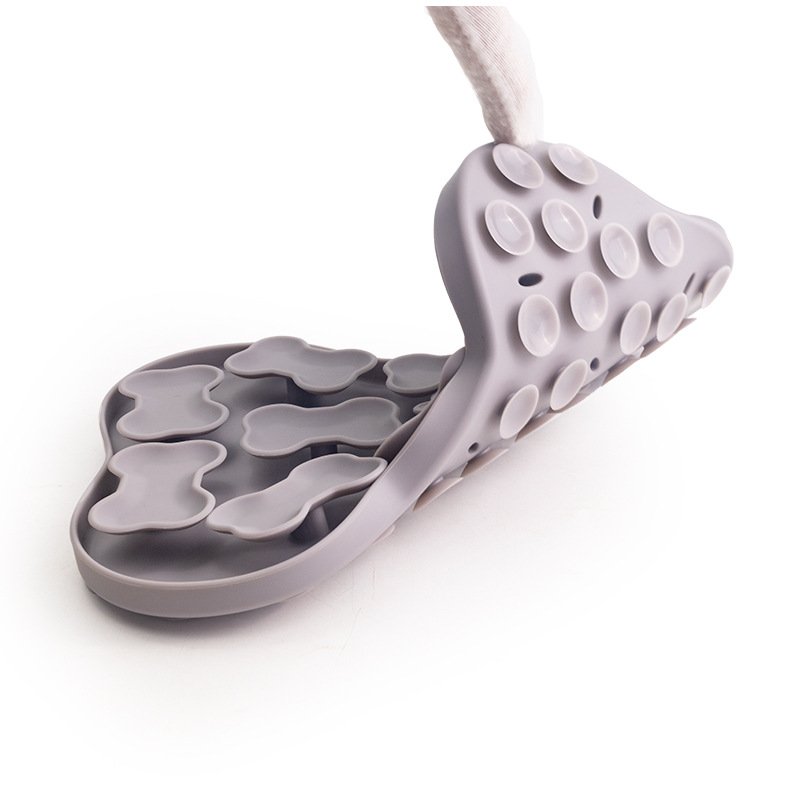
Here’s where the silic0ne bone-shaped feeder truly distinguishes itself from conventional slow feeders. Integrated into its base is a powerful suction system that adheres firmly to smooth surfaces—tile, marble, glass, stainless steel, sealed wood, and more .
Why does this matter? Because traditional bowls and mats slide. Enthusiastic eaters push them across the floor. Anxious lickers edge them into corners. Water splashes, kibble scatters, and the carefully designed feeding zone becomes a mess zone.
The suction base eliminates this problem entirely. Once pressed into place, the mat stays put. Your pet can lick, nose, and paw at the textured surface without dislodging it. Water stays contained. Food stays on the mat. Your floors stay clean.
This stability offers additional benefits for multi-pet households. When one pet tries to approach another’s meal, the stationary mat prevents food theft by keeping everything in place. For pets recovering from surgery or mobility issues, the stable surface provides confidence and security during feeding .
Designed for Both Species: Cats and Dogs Welcome
One of the most thoughtful aspects of this product is its cross-species versatility. While many slow feeders are designed exclusively for dogs or cats, the bone-shaped mat works beautifully for both .
For dogs, the generous 23.5cm by 15.5cm surface area provides ample space for a full meal. The maze pattern challenges canines to work for their food, providing mental stimulation that reduces boredom and destructive behavior . Small breeds appreciate the accessible texture depth, while medium dogs engage fully with the obstacle course.
For cats, the shallow 2cm profile is particularly important. Cats are known to experience “whisker fatigue”—stress caused by their sensitive whiskers repeatedly brushing against the sides of deep bowls . The flat, open surface of this mat eliminates this problem entirely, allowing cats to eat comfortably without whisker contact. The maze pattern also appeals to feline instincts, turning mealtime into a rewarding puzzle .
The Numbers Tell the Story: Precise Specifications
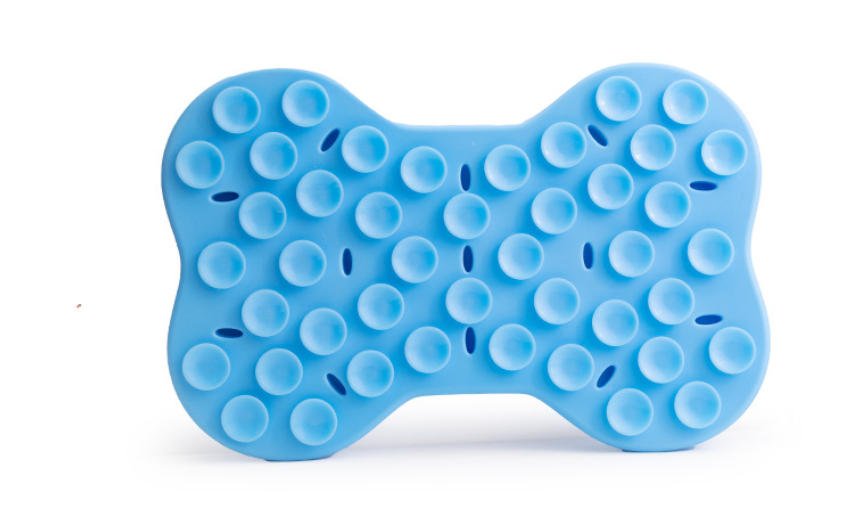
Let’s examine the detailed specifications that make this product exceptional:
- Dimensions: 23.5cm length × 15.5cm width × 2cm height
- Volume: 728.5 cubic centimeters of functional space
- Weight: 157 grams of substantial, high-quality silicone
- Colors Available: Yellow, Grey, and Blue—neutral, attractive shades that complement any home décor
- Material: Premium food-grade silicone
- Origin: Dongguan, Guangdong—a global center of manufacturing excellence
- Packaging: Available for wholesale with 600 pieces per carton
These specifications reflect careful engineering. The 2cm height provides sufficient depth for textured patterns while remaining low-profile enough for comfortable access. The 157-gram weight ensures stability without being cumbersome. The consistent dimensions across all three colors mean you can choose based on aesthetic preference without compromising functionality.
Preventing Obesity: A Growing Concern
The link between feeding methods and weight management has never been clearer. Dr. Katharine Holder of Raleigh emphasizes that “extra pounds aren’t cute—they put extra stress on joints, increase the risk of diabetes and heart disease, and can slow pets down long before their time”. She recommends small changes like measuring meals and cutting back on treats—exactly the kind of controlled portions that slow feeders facilitate.
Dr. Shannon Bass of Concord adds a practical tip: “Measure your pet’s food with an actual measuring cup so you truly know how much food you are feeding your pet”. The bone-shaped slow feeder works perfectly with this approach. By spreading measured portions across the textured surface, you maintain portion control while extending meal duration.
For diabetic cats specifically, controlled eating is literally life-saving. Recent research presented at the WVC 2026 conference showed that caloric restriction combined with structured meal timing achieved 50% remission rates in overweight diabetic cats. The study’s lead researcher, John Flanagan, PhD, noted that “breaking down meals into multiple small feedings throughout the day can be very beneficial for glycemic control”.
The TikTok Effect: Why Slow Feeders Are Going Viral
The rise of slow feeders isn’t just a veterinary trend—it’s a social media phenomenon. TikTok has become a powerful platform for pet product discovery, with videos showcasing slow feeders accumulating millions of views.
One Chinese跨境品牌, Yipetor, recently achieved remarkable success with their slow feeder on TikTok’s US marketplace. The product sold 8,598 units in 28 days, generating $188,600 in revenue—approximately ¥1.31 million RMB. Remarkably, about 86% of these sales came from TikTok达人短视频推广, demonstrating the power of visual demonstrations in driving consumer adoption.
This viral success reflects what pet owners instinctively understand when they see slow feeders in action: watching a dog work through a maze pattern is both entertaining and educational. It makes visible the health benefits that might otherwise remain abstract.
Easy Cleaning, Lasting Hygiene
Let’s face it: pet feeding accessories get dirty. Saliva, food residue, and moisture create ideal conditions for bacterial growth if not properly cleaned. The silic0ne bone-shaped feeder addresses this concern with material science.
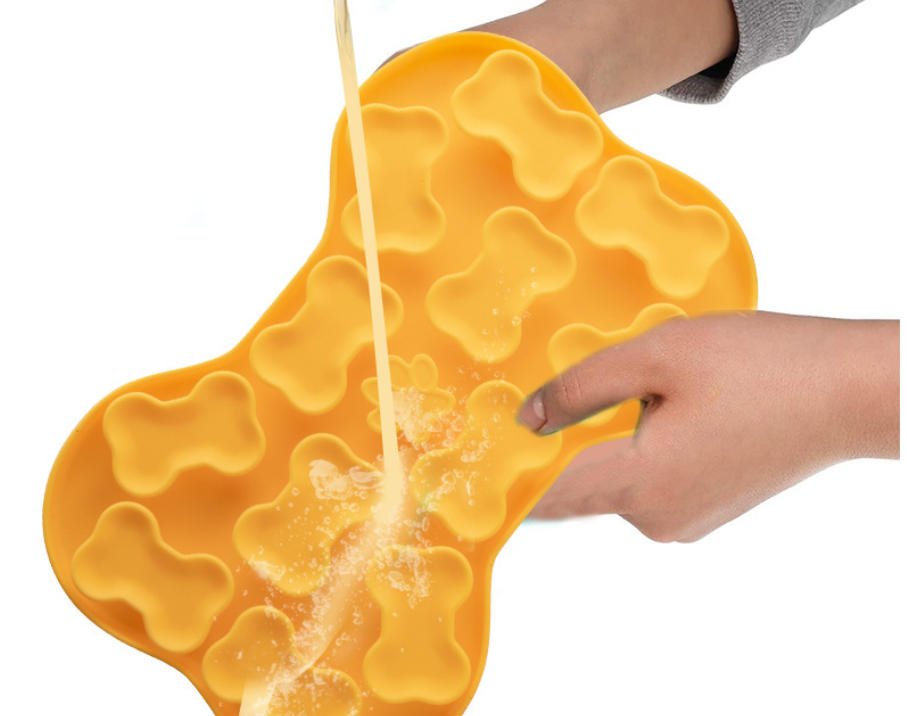
Silicone’s non-porous surface prevents bacteria from penetrating the material. Food residue rinses away effortlessly under warm water. For deeper sanitization, the mat is completely dishwasher safe—just place it on the top rack and run a normal cycle .
This ease of cleaning isn’t just convenient; it’s essential for maintaining hygiene. When cleaning takes thirty seconds rather than ten minutes, you’re more likely to do it consistently. And consistent cleaning means fewer bacteria, less odor, and a healthier feeding environment.
Multi-Purpose Applications: Beyond Basic Feeding
While designed primarily as a slow feeder, this versatile mat finds numerous applications in savvy pet households:
Treat Distribution: Spread peanut butter, yogurt, or wet food across the textured surface for a high-value treat that occupies pets for extended periods—perfect for rainy days or when you need focused quiet time.
Medication Delivery: Hide pills or powdered medications in the maze pockets, then cover with appealing food. The extended licking time ensures complete consumption.
Puppy and Kitten Training: Introduce young animals to structured eating early, establishing healthy habits that last a lifetime.
Senior Pet Support: For older pets with dental issues, the shallow profile and textured surface make soft foods more accessible and enjoyable.
Post-Surgery Recovery: When pets need restricted movement but mental stimulation, a spread mat provides engagement without physical exertion.
Travel Companion: The flexible silicone folds or rolls for easy packing, ensuring your pet has a familiar feeding surface wherever you go.
The Wholesale Opportunity: Built for Business
For retailers, distributors, and e-commerce entrepreneurs, the silic0ne bone-shaped slow feeder represents a significant opportunity. The product’s specifications—23.5×15.5×2cm, 157g, three attractive colors—make it ideal for:
- Pet specialty stores seeking differentiated inventory
- Online marketplaces requiring consistent, high-quality products
- Subscription boxes looking for unique, valuable inclusions
- Veterinary clinics recommending healthy feeding solutions
- Grooming salons offering retail add-ons
The 600-piece carton packaging allows efficient shipping and storage, while the consistent quality from Dongguan manufacturing ensures reliable supply -7. As the slow feeder market continues its double-digit growth trajectory, early positioning with quality products pays dividends.
The Environmental Angle: Sustainability Through Durability
In an era of increasing environmental awareness, the durability of silicone offers a compelling sustainability story. A single high-quality silicone mat that lasts for years replaces dozens of disposable alternatives or cheap plastic mats that crack and end up in landfills .
The silic0ne bone-shaped feeder is designed for longevity. Its robust construction withstands daily use without showing wear. Its timeless design—available in classic Yellow, Grey, and Blue—won’t go out of style. And its material safety means it can be passed down through multiple pets over its lifetime.
This durability aligns with broader consumer preferences for sustainable products. As noted in recent market research, “sustainability expectations are reshaping product development and brand credibility,” with momentum building around “durable, long-life products”.
Comparison: Why Silicone Beats Alternatives
How does the silic0ne bone-shaped feeder compare to other slow feeding options?
vs. Plastic Slow Feeders: Plastic can scratch over time, creating crevices where bacteria thrive. It may contain BPA or phthalates. It becomes brittle with age and exposure to temperature extremes. Silicone offers superior hygiene, safety, and longevity.
vs. Ceramic Slow Feeders: Ceramic is heavy and breakable. If chipped, it can harbor bacteria or cause injury. It offers no flexibility for travel or storage. Silicone provides durability without breakage risk.
vs. Stainless Steel Slow Feeders: While stainless steel is hygienic, it cannot incorporate the textured maze patterns essential for slow feeding. Metal bowls are loud, slide easily, and offer no cushioning for enthusiastic eaters. Silicone combines texture, stability, and quiet operation.
vs. Unstructured Flat Mats: Simple flat mats contain spills but do nothing to slow eating or provide mental stimulation. The bone-shaped feeder addresses both containment AND behavioral health.
The Colors: Choose Your Pet’s Favorite
The three available colors—Yellow, Grey, and Blue—have been carefully selected for their universal appeal:
Yellow: Bright and cheerful, this sunny shade adds warmth to any feeding area. It’s highly visible, making it easy to locate and clean.
Grey: Sophisticated and neutral, grey blends seamlessly with modern home décor. It hides minor stains and coordinates with any color scheme.
Blue: Calming and serene, blue appeals to pet owners seeking a tranquil aesthetic. It’s associated with trust and dependability—appropriate qualities for a health-focused product.
Each color shares the identical specifications: 23.5×15.5×2cm, 157g, same maze pattern, same suction base. The only difference is the shade, allowing you to choose based on personal preference or coordinate with your home.
Testimonials: What Pet Owners Are Saying
While we can’t include actual customer reviews for this new product, the feedback from similar slow feeders tells a consistent story:
“My Labrador used to inhale his food in seconds and then vomit twenty minutes later. Since switching to a maze-style slow feeder, mealtime takes ten minutes and there’s no more vomiting. The difference is night and day.”
“My cat is a rescue who learned to compete for food. He’d eat so fast he’d regurgitate. This mat has transformed his relationship with food—he actually seems to enjoy mealtime now.”
“I was skeptical about spending money on a ‘fancy bowl,’ but after my dog bloated twice, my vet insisted. Worth every penny. She’s healthier, calmer, and my floors are cleaner.”
Contact me for custom procurement.:silicone@silic0ne.com